International Federation of Red Cross and Red Crescent Societies (IFRC) in Nepal
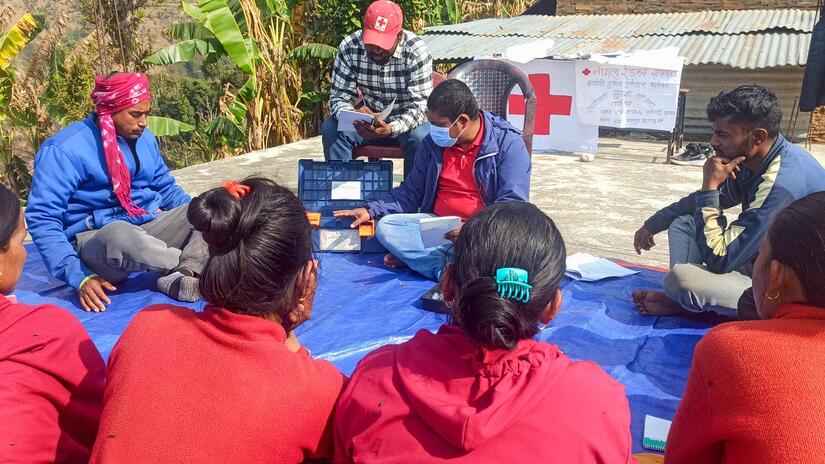
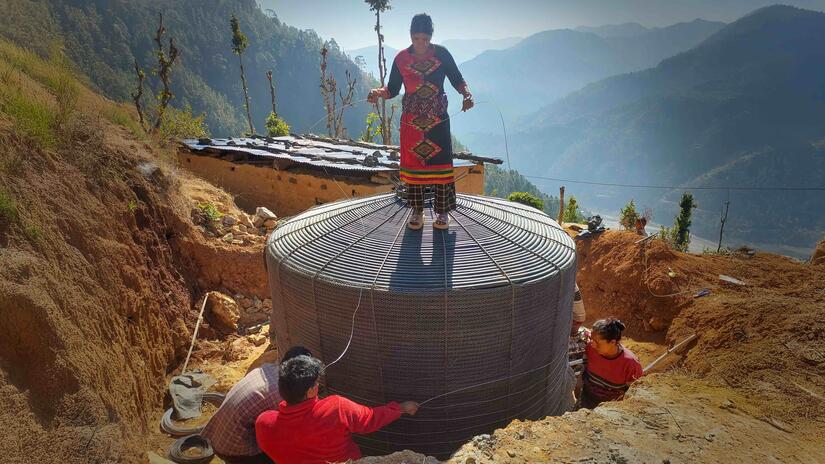
IFRC is a membership organisation founded in 1919 comprised by the world’s 191 National Red Cross and Red Crescent Societies. The IFRC secretariat is present in over 50 countries, including Nepal, where it has maintained an office since 2003. It works closely with the Nepal Red Cross Society (NRCS) before, during, and after disasters as well as in ensuring essential health and development services to meet the needs of vulnerable communities.
The IFRC’s global network surges support to NRCS responses to major disasters, supports NRCS readiness and innovation at the national and local levels, and builds partnership and knowledge-sharing across borders. In addition, the IFRC serves as the secretariat for the Nepal Community Based Disaster Response Platform, led by the Ministry of Federal Affairs and General Administration. On behalf of the IFRC, NRCS acts as the co-convener, with the Department of Urban Development and Building Construction of the Shelter Cluster in Nepal.
What we do in Nepal
Key areas of support to NRCS by the IFRC network include:
- Relief and recovery operations
- Building climate resilience
- Development of community health and WASH schemes
- Strengthening early warning and early action in the face of disasters
- Motivating youth action
- Deploying nature-based solutions to disaster risk
Nepal Red Cross Society
The Nepal Red Cross Society (NRCS), established in 1963, is a voluntary and autonomous humanitarian organization that supports national authorities. It delivers essential services in health, blood transfusion, ambulance, WASH, and disaster risk management, while also advancing early warning, early action, and climate change adaptation. With a nationwide network of over 1,500 local branches, 77 district and 7 provincial offices, more than 6,000 youth circles, and 140,000+ active volunteers, NRCS ensures widespread community reach and impact.
Partner National Societies that are working with Nepal Red Cross Society
Integrated with IFRC in Nepal:
Supporting from abroad:
Early Action Protocol - Potential floods along the Babai and Rapti Rivers, 2026
In light of repeated flooding of communities along these rivers, this "Simplified Early Action Protocol" enables the Nepal Red Cross to prepare along with local authorities and begin responding before the waters overflow, when water level triggers are reached.
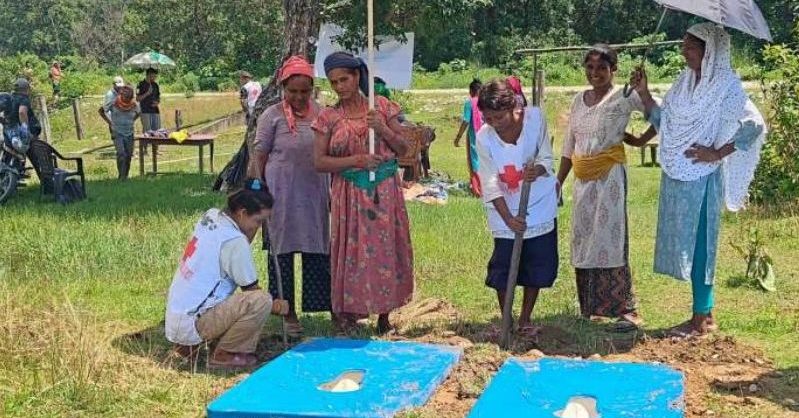
Recovery Plan - 2026
Nepal has suffered a series of disasters in the last several years for which recovery needs still remain. These include the Jajarkot earthquake of 2023, the Bagmanti floods of 2024, and the Koshi floods of 2025. This plan sets out Nepal Red Cross / IFRC contributions to long-term recovery.
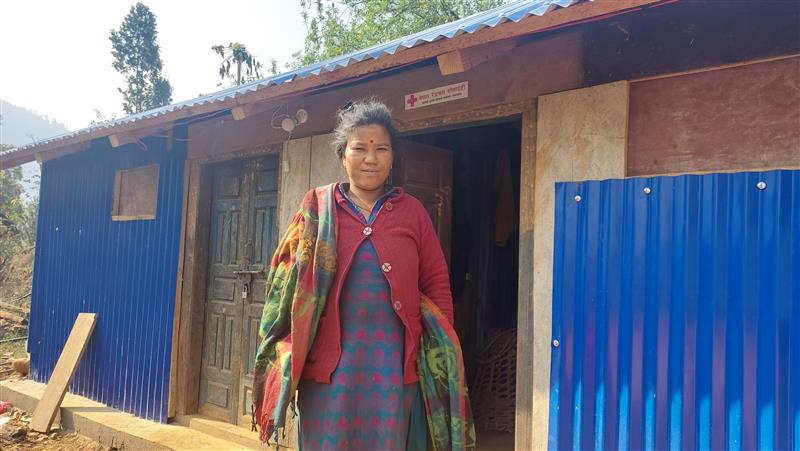
Pilot Early Action Protocol - Kathmandu Valley Pollution 2026
Air pollution has emerged as a major public health threat in Nepal, with particulate matter (PM2.5 and PM10) frequently exceeding national and WHO standards, particularly during the dry season (February–April). This early action protocol will aim to protect persons at highest vulnerability to health impacts from high levels of air pollution in the Kathmandu Valley in 2026.
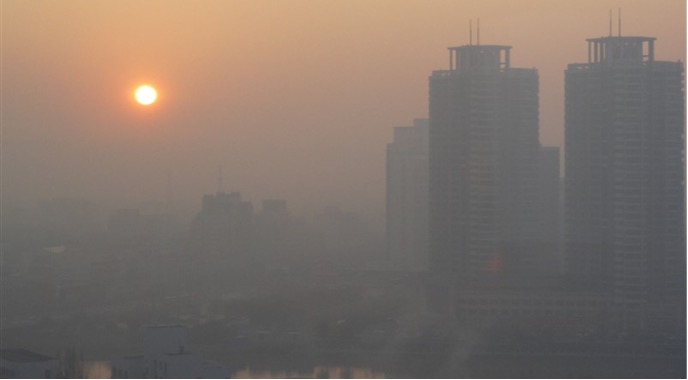
Early Action Protocol - Urban Heat 2026
Nepal is facing an increasing number of days where temperatures exceed 35 degrees Celsius. These heatwaves have been linked to a wide range of adverse health effects, including heart attacks, kidney disease, cardiorespiratory diseases, decreased mental well being, and even death. This protocol will fund the Nepal Red Cross Society to take anticipatory action in case of an extended heatwave this summer in heat hotspots wards and rrban areas of Biratnagar Metropolitan, Nepalgunj Sub metropolitan, Dhangadi Sub metropolitan and Siddharthanagar Municipality.
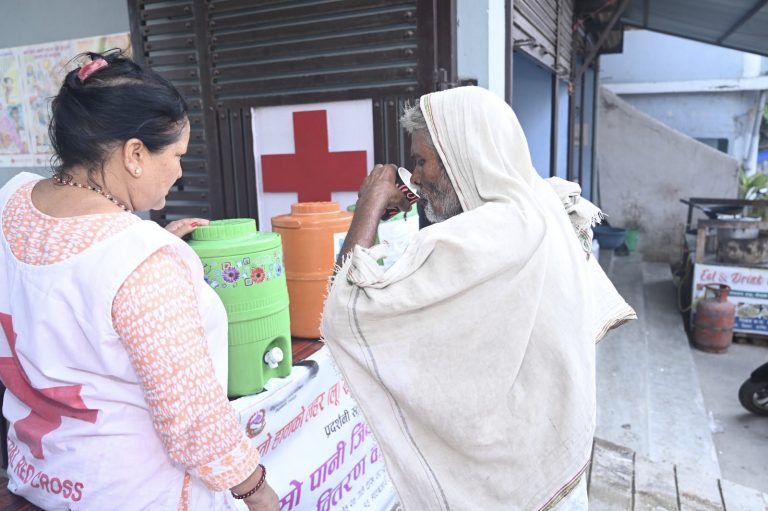
Madhesh Drought, Cholera and Floods
2025
A drought in Madhesh Province has created an emergency in the availability of safe drinking water. In addition, a cholera outbreak has threatened lives in several districts. With support from the IFRC and its members, the Nepal Red Cross Society responded to the needs of vulnerable persons after each of these overlapping crises.
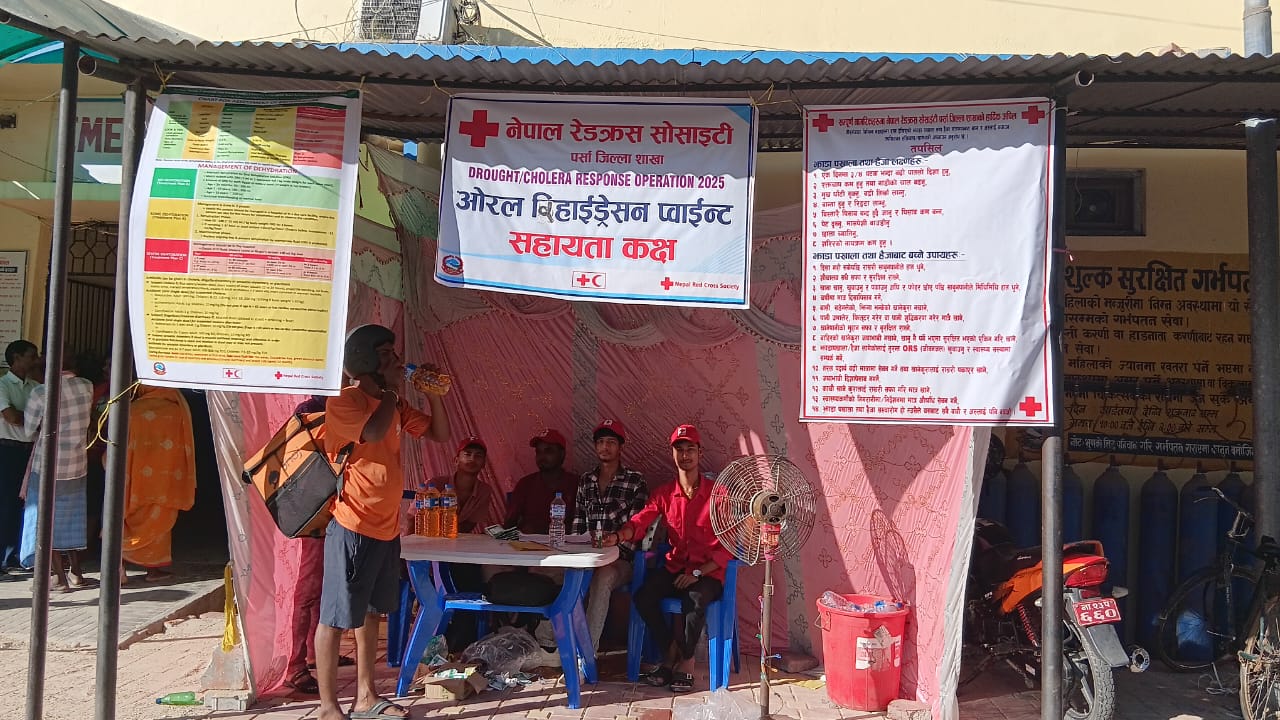
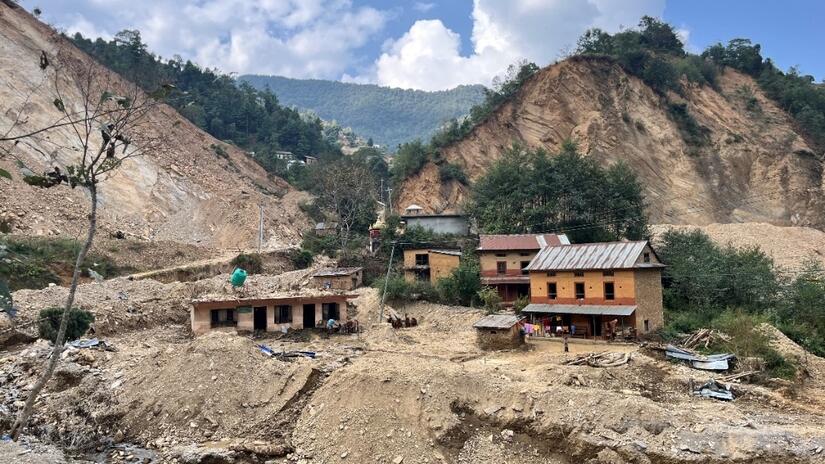
Nepal faces frequent disasters-such as earthquakes, floods, landslides, and extreme weather-putting millions at risk.
Disasters, Climate and Crises
Nepal faces frequent disasters-such as earthquakes, floods, landslides, and extreme weather-putting millions at risk.
- Early warning / early action and anticipatory action
- Community-Based Disaster Risk Reduction (CBDRM)
- Emergency relief (shelter, cash assistance, hygiene kits)
- Long-term recovery (livelihood support, safer reconstruction)
Click the button below to get access to the IFRC network produced documents related to Climate and Disasters:
Health and Wellbeing
Health and Wellbeing
Through the health programming, the IFRC network and NRCS support:
- Community health, ranging from maternal and child health to
healthy aging and disease surveillance and response - WASH programmes (clean water, hygiene awareness) to prevent outbreaks
- Blood transfusion services and emergency ambulance networks
Click the button below to get access to the IFRC network produced documents related to Climate and Disasters:
Some OT the Parther National Socletles working with Neрal ked Cross Soclety
Canadian Red Cross
The Canadian Red Cross (CRC) partners with IFRC and NRCS to strengthen community health and resilience in Nepal. Through joint initiatives, CRC supports local healthcare systems, addressing climate-related health risks and ensuring access to essential services like disease prevention, maternal care, and emergency response for vulnerable communities.
Danish Red Cross
The Danish Red Cross (DRC) supports NRCS with innovative disaster risk management, including anticipatory action using a river basin approach. Through simulations, social protection linkages, and community-led pilots, DRC strengthens governance and climate resilience across the country.

Finnish Red Cross
The Finnish Red Cross (FinnRC) supports climate-smart disaster preparedness in Nepal through the REDI programme, enhancing early warning and anticipatory action for floods and heatwaves. In partnership with the Finnish Meteorological Institute, it strengthens hydromet services, risk communication, and institutionalises inclusive, trigger-based responses within NRCS and government systems.
Swiss Red Cross
The SUPER project strengthens urban disaster preparedness in Jumla and Rupandehi through local co-funding and evidence-based planning, while the SAHARA project pioneers Nepal’s first age-friendly city initiative in Changunarayan, promoting healthy ageing with strong municipal collaboration and scalable, community-led solutions.